-
WhatsApp / Mob : +86 156 5177 2521
-
Эл. адрес : mrwin@cnbangwin.com
WhatsApp / Mob : +86 156 5177 2521
Эл. адрес : mrwin@cnbangwin.com

категории
последний блог
теги
Onsite Oxygen Generators for Aquaculture: Complete Guide
Aug 29 , 2026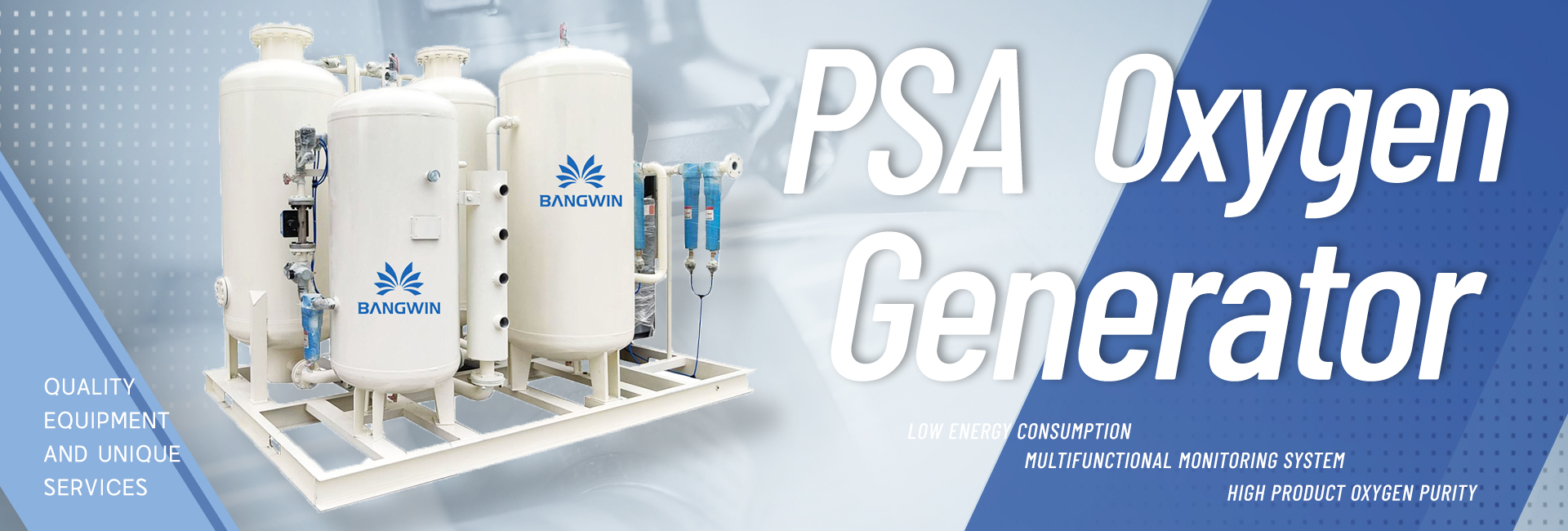
Water quality control is essential for successful aquaculture.
One of the most critical water-quality parameters is dissolved oxygen.
Aquatic animals need oxygen to breathe. At the same time, intensive aquaculture can deplete oxygen very quickly.
Farms must have access to an adequate oxygen supply to remain successful.
Onsite Oxygen Generators for Aquaculture produce oxygen directly on the farm.
Rather than depend completely on oxygen cylinders or liquid oxygen deliveries, a farm can produce its own oxygen from the surrounding air.
Onsite oxygen generation can support:
l Fish farms
l Shrimp farms
l Hatcheries
l Recirculating aquaculture systems
l Indoor aquaculture facilities
l High density aquaculture operations
Nanjing Bangwin Gas supplies industrial oxygen generators for aquaculture and other industries.
Nanjing Bangwin Gas Official Website
Onsite Oxygen Generators allow aquaculture farms to produce oxygen onsite.
Instead of receiving oxygen deliveries from an external provider, the oxygen generator extracts oxygen from the surrounding air.
Air consists of roughly 21% oxygen.
An oxygen generator separates oxygen from nitrogen and other gases found in atmospheric air.
Once isolated, the oxygen generator purifies and sends oxygen to the aquaculture system.
Fish ponds, shrimp ponds, tanks, and other water bodies can absorb the oxygen directly through:
l Fine bubble diffusers
l Oxygen cones
l Aeration devices
l Venturi injectors
l Oxygenation tanks
As a result, the onsite oxygen generator becomes an extension of the farm’s oxygenation strategy.
Dissolved oxygen is crucial to the health of aquatic animals and aquaculture performance.
Respiration occurs continuously in fish and shrimp.
Oxygen demand also increases with stock size.
Temperature, stocking density, feeding rate, species, microbial activity, and other factors can affect oxygen uptake.
Intensive aquaculture requires effective oxygen management.
Too little dissolved oxygen leads to:
l Loss of feeding enthusiasm
l Decreased growth
l Stress
l Unhealthy water conditions
l Elevated mortality
Operators must maintain appropriate dissolved oxygen concentrations.
The oxygen generation process starts with atmospheric air.
An air compressor or blower feeds air into the oxygen generation system.
Next, the oxygen generator filters out impurities.
Then, the oxygen separation system concentrates oxygen from the filtered air.
Finally, the generator feeds oxygen into the aquaculture farm’s distribution system.
Ambient Air → Air Treatment → Oxygen Separation → Oxygen Buffer → Distribution → Water Oxygenation
Different technologies achieve these steps using various equipment and components.
Pressure Swing Adsorption (PSA) technology is the most common method of oxygen generation.
A PSA Oxygen Generator contains molecular sieve adsorbents.
These adsorbents attract nitrogen from compressed air.
At the same time, oxygen passes through the adsorption vessel.
The PSA oxygen generator then collects and stores the concentrated oxygen.
Regeneration reverses the adsorption process by releasing the trapped nitrogen.
PSA systems contain multiple adsorption vessels.
Each vessel switches between adsorption and regeneration.
As a result, the system produces a continuous stream of oxygen.
Advantages of PSA Oxygen Generation
PSA technology is well suited for aquaculture applications.
Produces Oxygen Onsite
The oxygen generation system produces oxygen directly on the farm.
As a result, oxygen producers reduce or eliminate the need for transportation.
Provides Continuous Oxygen
PSA oxygen generators can produce oxygen 24/7.
This benefit becomes vital to support high-density aquaculture.
Modular Design
engineers can tailor the design and capacity to meet a farm’s oxygen requirements.
As a result, buyers can choose from several oxygen production capacities.
Can Maintain Stable Oxygen Production
When designed correctly, a PSA oxygen generator can provide a stable supply of oxygen.
VPSA stands for Vacuum Pressure Swing Adsorption.
Vacuum Pressure Swing Adsorption combines traditional PSA technology with vacuum-based regeneration.
Instead of using a compressor for feed air and regeneration, a VPSA system uses a blower and vacuum regeneration system.
Systems with higher oxygen capacities typically require vacuum regeneration.
As a result, VPSA systems can accommodate large oxygen demands.
VPSA oxygen generation may benefit large-scale aquaculture applications.
For example:
l Large-scale fish farms
l Large-scale shrimp farms
l Recirculating aquaculture systems
l Commercial hatcheries
l Large indoor aquaculture operations
l PSA and VPSA oxygen generators have different features.
Onsite oxygen generators for aquaculture consist of several key components.
7.1 Air Compressor or Blower
The air compressor supplies feed air to the oxygen generator.
PSA oxygen generators typically use an air compressor to supply feed air.
VPSA plants typically use a combination of blowers and vacuum pumps.
7.2 Air Treatment System
The air treatment system removes impurities such as:
l Dust
l Oil
l Water
l Other particles
Treating the air ensures a longer life for the oxygen generator.
7.3 Oxygen Generator
The oxygen generator is the heart of the oxygen generation system. Oxygen generators can use either PSA or VPSA technologies to produce oxygen.
7.4 Oxygen Buffer Tank
The oxygen buffer tank helps regulate oxygen pressure and flow.
It also provides a temporary storage space for oxygen to buffer brief increases or decreases in oxygen demand.
7.5 Oxygen Distribution System
The oxygen distribution system moves oxygen to where it connects to the water treatment system.
Examples of devices that connect to the oxygen distribution system include:
l Diffusers
l Oxygen cones
l Venturi injectors
l Oxygenation tanks
7.6 Control System
A control system automatically monitors and controls:
l Oxygen purity
l Pressure
l Flow
l Machine operating status
l Alarms
Automation allows operators to manage the oxygen generator with minimal manual intervention.
Onsite oxygen generation can support many different aquaculture models, including:
Fish Farming
Fish farmers can use oxygen generators to provide supplemental oxygen to tanks and raceways.
Shrimp Farming
Shrimp farmers may need robust oxygen systems to maintain water quality.
Oxygen generators can augment traditional aeration devices.
Hatcheries
Hatcheries can use oxygen generators to keep early stage aquatic animals alive. Since hatcheries require stable water quality, a steady oxygen supply becomes even more important.
Recirculating Aquaculture Systems
Farmers use Recirculating Aquaculture Systems, or RAS, to continuously recycle water.
As a result, RAS facilities have biological filters. These filters consume oxygen during the filtering process.
Onsite oxygen generation can provide supplemental oxygen inside the RAS loop.
High-Density Aquaculture
Fish and shrimp consume more oxygen at higher stocking densities.
As a result, oxygen generators can help high-density farmers keep up with oxygen demand.
Different factors make onsite oxygen generation attractive.
9.1 Less Oxygen Delivery
The facility produces oxygen on farm.
As a result, operators can reduce or eliminate the need for cylinder delivery.
9.2 More Reliable Oxygen
Onsite oxygen generation is not tied to delivery schedules.
This benefit becomes critical during extended farming operations.
9.3 Reduced Logistics
Systems that rely on oxygen cylinders need frequent transportation.
Onsite oxygen generators help facilities reduce logistics requirements.
9.4 Oxygen Production On-Demand
The system can be sized to match oxygen production with total farm demand.
Engineers can size capacity around current needs and expected growth.
9.5 Enhanced Oxygen Management
When oxygen is available continuously, farmers have more flexibility.
For example, they can adjust aeration levels to meet changing demand.
Systems like this can enable intensive farming operations.
Accurate data about the farm is essential for proper system selection.
10.1 Understand Oxygen Demand
First, know the total oxygen demand of the system.
Here are important factors to consider:
l Total biomass
l Species being farmed
l Feeding rates
l Water temperature
l Stocking density
l Maximum oxygen demand
Design the system around peak oxygen demand, not just average demand.
Account for any known plans to increase production capacity.
10.2 Know the Oxygen Purity
Some oxygenation methods require higher or lower oxygen concentrations.
Define your target oxygen purity before you compare equipment options.
10.3 Know the Oxygen Pressure
Know the required pressure of the oxygen delivery system.
This factor can influence equipment selection based on higher pressure needs.
10.4 Know the Operating Hours
Many aquaculture oxygen systems run 24/7.
As a result, the energy efficiency of the system becomes a larger factor.
10.5 Know the Backup Oxygen Source
A backup oxygen source adds additional operational security.
Some options include:
l Oxygen cylinders
l Liquid oxygen tanks
l Backup oxygen generators
Choose a backup method based on farm size and risk tolerance.
How much oxygen your system can produce is a critical selection factor.
Suppose an aquaculture farm needs the following oxygen:
500 Nm³/h
However, you would not want the generator to always produce exactly 500 Nm³/h.
Here are some other factors to consider:
l Peak oxygen requirements
l Distribution losses
l Seasonal fluctuations
l Expansion capacity
l The need for backup oxygen
Factor these elements into your calculations to include an engineering margin of safety.
A supplier should be able to recommend proper oxygen production after reviewing operating data.
|
Feature |
Onsite Oxygen Generator |
Oxygen Cylinders |
|
Oxygen Source |
Ambient air |
Delivered gas |
|
Transportation |
Low |
High |
|
Continuous Supply |
Yes |
Limited by inventory |
|
Initial Investment |
Higher |
Lower |
|
Long-Term Operation |
Suitable |
Less convenient |
|
Large Farms |
More suitable |
Less practical |
|
Automation |
Available |
Limited |
Small aquaculture operations with minimal oxygen needs might get by with oxygen cylinders.
On the other hand, larger-scale farms will likely benefit from onsite oxygen generation.
Nanjing Bangwin Gas has industrial oxygen generators for sale that work with many applications.
These oxygen generators include:
l Industrial Oxygen Plant
l Cryogenic Air Separation Plant
l Air Separation Unit
Aquaculture buyers can provide information about:
l Demand
l Required oxygen purity
l Operating pressure
l Farm size
l Installation conditions
l Plans for expansion
Nanjing Bangwin Gas sells nitrogen generators and cryogenic gas solutions as well.
1. What are onsite oxygen generators for aquaculture?
They are systems that produce concentrated oxygen directly at an aquaculture facility.
2. Why do fish farms need oxygen generators?
Intensive farming increases oxygen consumption. An onsite generator can provide a continuous oxygen supply.
3. Which oxygen generator is best for aquaculture?
PSA systems suit many small and medium applications. VPSA systems can suit larger oxygen requirements.
4. Can oxygen generators replace aerators?
Oxygen generators and aerators perform different functions. Many farms use them together for better oxygen management.
5. What oxygen purity does aquaculture require?
The required purity depends on the oxygenation method and farm design. Engineers should determine the specification from the complete system.
6. Can an oxygen generator operate continuously?
Yes. Properly designed PSA and VPSA systems can operate continuously with scheduled maintenance.
7. Should an aquaculture farm have backup oxygen?
Yes. Backup oxygen can provide additional protection during power failures or equipment maintenance.
8. How much does an onsite oxygen generator cost?
The cost depends on oxygen capacity, purity, pressure, technology, automation, and installation requirements.
Onsite Oxygen Generators for Aquaculture farms extract oxygen from ambient air to keep fish and shrimp alive.
Onsite oxygen generators give farms a steady supply of oxygen without needing oxygen tanks.
Pressure Swing Absorption or PSA oxygen generators are ideal for small-to-medium farming operations.
Larger aquaculture facilities can benefit from using Vacuum Pressure Swing Absorption or VPSA oxygen generators.
However, the ideal oxygen generator depends on the farm’s oxygen consumption rate and storage capacity.
Nanjing Bangwin Gas offers PSA and VPSA oxygen generators for aquaculture applications.
Visit Nanjing Bangwin to learn more about Oxygen Generation for Aquaculture.



 IPv6 сеть поддерживается